

The oil bottle in your kitchen may seem ordinary, but it is closely related to the health of your entire family. Faced with a dazzling array of cooking oils on supermarket shelves, how do you make an informed choice? Should you opt for refined oils with high smoke points or favor cold-pressed oils that retain more nutrients? In truth, no single oil is a perfect "all-around champion." The key lies in understanding their characteristics and making choices suitable for your cooking methods and health needs.
Characteristics and Selection of Common Cooking Oils
The oils we commonly use in daily cooking fall into several main categories. Refined vegetable oils with a high degree of processing, such as soybean oil, rapeseed oil, and corn oil, have relatively high smoke points. They are suitable for everyday frying, stir-frying, and cooking, offer good stability, and are affordable, making them the foundational choice for most households. Peanut oil, with its rich aroma, enhances the flavor of dishes and is particularly well-suited for high-heat stir-frying in Chinese cuisine. Olive oil, especially extra virgin olive oil, is rich in monounsaturated fatty acids and antioxidants. However, its smoke point is lower, making it more suitable for salad dressings, low-temperature cooking, or drizzling over finished dishes. More recently popular oils like coconut oil (high in saturated fat) and avocado oil (very high smoke point, nutrient-rich) offer more diverse options for specific dietary needs.
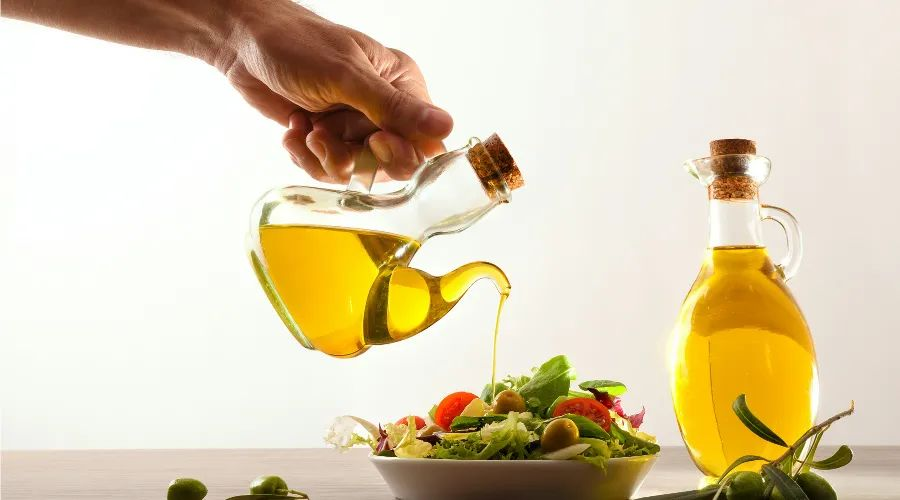
A core principle when choosing is matching the oil's smoke point to your cooking temperature. Using a low-smoke-point oil (like extra virgin olive oil) for high-temperature deep-frying not only destroys its nutrients but can also generate harmful compounds. Conversely, using refined oils for cold dishes means missing out on the unique benefits of flavorful specialty oils.
The Invisible Health Threat: Oxidative Rancidity of Cooking Oil
No matter how good the oil is, once opened and used, it faces an invisible enemy: oxidative rancidity. This is the deterioration process of fats and oils under the influence of light, heat, air, and moisture. The result is the commonly recognized "rancid" smell. More importantly, in rancid oil, the acid value and peroxide value increase significantly.
An elevated acid value indicates an increase in free fatty acids, signaling a decline in oil quality. A rising peroxide value marks the accumulation of primary oxidation products, which can further break down and potentially cause harm to human cells. Consuming rancid oils regularly or in excess is undoubtedly detrimental to health. Therefore, judging whether oil is fresh and safe to consume should not rely solely on smell or sight.
Proactive Management: Give Your Cooking Oil a "Quick Health Check"
Because the oxidative rancidity of oils occurs silently, proactive testing becomes particularly important. This is especially true for restaurants, cafeterias, or households using large containers of oil, where monitoring quality during mid-to-late usage is crucial.
The Cooking Oil Acid Value & Peroxide Value Rapid Test Strips provided by Beijing Kwinbon are designed precisely for this need. This tool is simple to operate and requires no complex instruments: take a small oil sample, react it with the provided reagent, apply it to the test strip, and within minutes, by comparing with the color chart, you can clearly determine whether the acid value and peroxide value exceed safe limits. It empowers every person in charge of a kitchen—whether at home or in a professional setting—to act like a quality control specialist, providing a fast, intuitive final checkpoint for oil safety.
This is not only an effective tool for standardized management in restaurant kitchens but also a considerate aid for health-conscious families to conduct self-monitoring. Regularly performing a "quick test" on the oil in your home helps you confidently discard any oil that has deteriorated, ensuring every meal is prepared with a foundation of freshness and safety.
Choosing a good bottle of oil is the first step toward health. Ensuring that this oil remains safe from the moment it's opened until it's used up is the more critical follow-up guarantee. Understanding oil properties, using oils scientifically, and actively monitoring their quality with modern rapid testing technology allow us to truly make the fats and oils on our table contribute positively to our well-being. Beijing Kwinbon is committed to safeguarding the "safety on the tip of your tongue" for you and your family with reliable detection technology.
Post time: Jan-09-2026