

Food safety challenges are becoming more complex, more international and more urgent. In 2026, the global food industry is facing pressure from multiple directions: microbiological contamination, chemical residues, undeclared allergens, climate-related risks, water quality concerns and increasingly strict import and export requirements.
According to the World Health Organization, unsafe food continues to create a major global health burden, causing hundreds of millions of illnesses and significant economic losses every year. Recent WHO updates also point out that climate change and antimicrobial resistance are making foodborne risks harder to control, especially in vulnerable regions and complex supply chains.
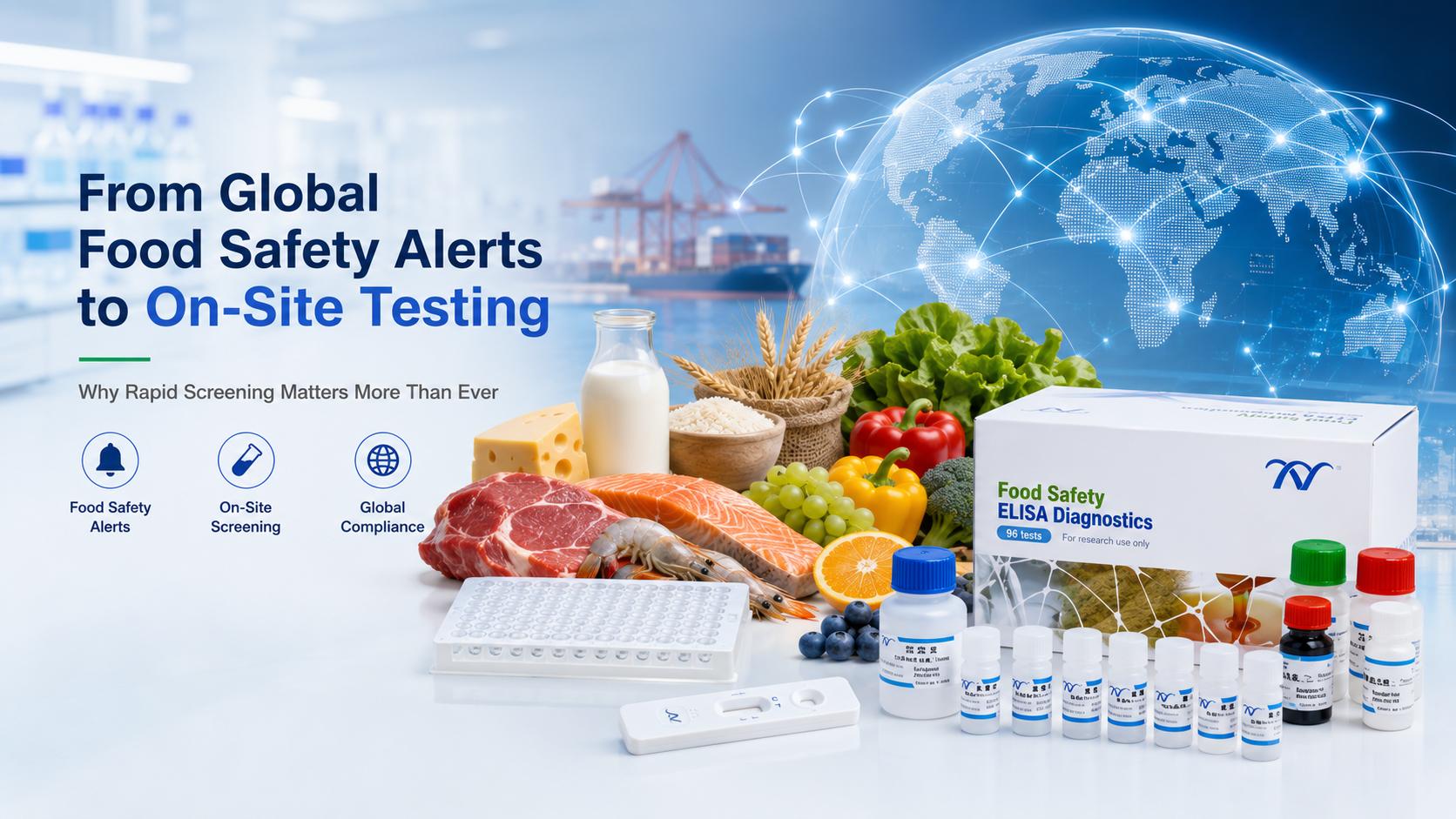
At the same time, food safety incidents are no longer limited to one country or one category. Recent recall information from the U.S. FDA has included products associated with potential Salmonella risk, Listeria monocytogenes contamination and other safety concerns. These cases show how one contaminated ingredient or raw material can affect downstream manufacturers, retailers and consumers across different markets.
In Europe, the Rapid Alert System for Food and Feed, known as RASFF, continues to provide public access to recent food recalls and safety notifications, helping authorities, businesses and consumers respond more quickly to emerging risks. For global exporters, these alert systems also mean that compliance is becoming more transparent and more data-driven.
Another important trend is the rising concern over chemical hazards in agrifood systems. FAO and WHO recently highlighted that water used in agriculture and food production may contain chemical contaminants, especially as climate change, population growth and water scarcity increase the use of alternative water sources. This makes early risk identification more important for fresh produce, cereals, feed, dairy, seafood and other food categories.
For food producers, laboratories, importers and regulatory bodies, the key question is no longer whether testing is necessary, but how testing can be made faster, more practical and more cost-effective. Traditional laboratory methods remain essential for confirmation, but rapid screening plays a critical role in daily quality control. It helps companies check raw materials before production, monitor processing risks, verify supplier quality and reduce the chance of non-compliant products entering the market.
Beijing Kwinbon Technology Co., Ltd. focuses on rapid food safety testing solutions, including ELISA test kits and rapid test strips. Kwinbon’s product portfolio covers key detection areas such as antibiotics, mycotoxins, pesticides, food additives, hormones used in animal feeding and food adulteration. The company also supports multiple application fields, including dairy, honey, eggs, meat and seafood, cereals and feed, vegetables and fruits.
As global food supply chains become more connected, rapid testing is becoming an important bridge between food safety risk management and real-world production decisions. It allows businesses to act earlier, respond faster and build stronger confidence with customers and regulators.
Food safety is not only about solving problems after they happen. It is about prevention, verification and continuous control. With reliable rapid testing tools, the food industry can move from passive reaction to proactive protection, helping deliver safer food to markets around the world.
Post time: Jul-08-2026